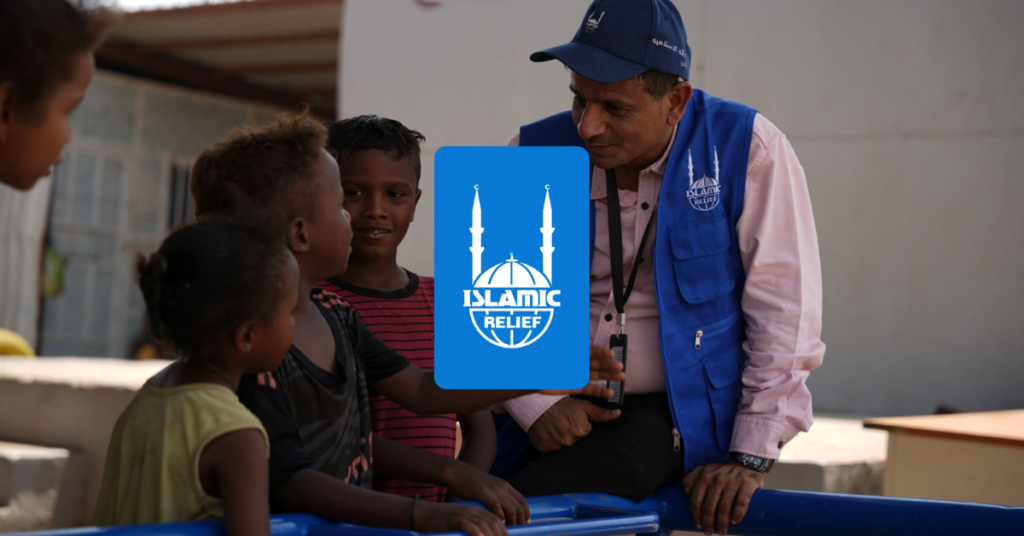
For an international humanitarian organisation like Islamic Relief Worldwide, donor reporting is more than a routine administrative task. It is an important part of keeping sponsors connected to the children and families they support.
With an orphan sponsorship programme operating across multiple countries, the organisation needs to generate large volumes of reports while making sure each report is complete, accurate, and delivered on time.
Before PDF Butler, Islamic Relief Worldwide was using a well-known document generation tool in the market. But as the programme grew, managing complex templates and generating reports efficiently became increasingly challenging.
PDF Butler gave the team a simpler and more flexible way to manage its reporting process while making it easier to bring reports and personal materials such as letters and drawings together in one complete document.
We spoke with Anwar Ahmed, Orphan and Child Welfare Manager at Islamic Relief Worldwide, and he shared why they switched to PDF Butler.
The Challenge: Automation that had become difficult to manage
Initially, field offices manually prepared general reports for donors.
As the orphan sponsorship programme grew, this approach was no longer practical. The organisation moved to an automated document generation solution to handle the growing volume of reports.
However, automation did not solve every problem.
“The previous solution relied on highly complex templates, some more than 20 pages long, incorporating numerous merge fields, translations, and conditional logic. This made ongoing maintenance and needing updates increasingly challenging.”
The team also wanted to improve the speed of report generation and make it easier to generate reports in batches.
The Solution: Simpler templates, faster reporting
With PDF Butler, Islamic Relief was able to simplify its templates and make them easier for the team to manage.
“We have a lot more simplified templates. So they’re a lot easier to manage.”
This became particularly important because the reporting templates regularly need to change. Fields may need to be added or removed, and reports need to be translated into different languages.
“It’s much easier now to manage template changes and translations within PDF Butler, rather than having to manage everything directly within the Word templates,” Anwar shared.
The difference is also visible to the people using the system. End users have reported faster report downloads and a simpler experience when generating reports.
“The feedback from our end users has been really positive, particularly around how much faster and easier it is to generate and download reports with PDF Butler compared to our previous solution.”
From individual reports to hundreds of reports at once
One of the biggest improvements for Islamic Relief is the ability to generate reports in bulk.
Instead of handling reports individually, users can generate hundreds of reports with a single action.
“You can just click a button; you can download hundreds of reports and it’ll be very quick.”
For a sponsorship programme operating at scale, this makes a significant difference to the donor care team.
Making sure every letter and drawing reaches the donor
Islamic Relief’s field offices sometimes collect personal letters and drawings from the children they support. These materials are not available for every sponsored child, but when they are, they are particularly valuable to donors.
Previously, the donor care team had to identify and collect these materials separately from the relevant records.
For example, Anwar explains that there could be thousands of reports from one country, but only a portion of them would have an accompanying drawing or letter.
“Previously, our donor care team had to manually identify and retrieve those letters and drawings from individual records.”
After switching to PDF Butler, Islamic Relief developed a way to automatically merge these materials into the corresponding report.
“With PDF Butler, we’ve developed a solution that automatically brings these letters and drawings into a full report, helping to ensure nothing is missed.”
This means the donor receives one complete reporting package, including the report and any available personal letters or drawings.
“Being able to bring the reports together with photos, letters, and drawings in one complete package is incredibly valuable and helps us provide a better overall service to our donors.”
The impact: More time for the teams behind the reports
Islamic Relief is still in the early stages of its PDF Butler rollout, so the team does not yet have long-term quantitative metrics for the time saved.
However, Anwar says the efficiency gains are already clear.
The improvements go beyond simply generating documents faster. Simpler template maintenance means less time spent by the teams responsible for administering the solution, while faster reporting gives the donor care team more time for other work.
And ultimately, that efficiency can also benefit donors by helping Islamic Relief deliver reports more quickly and consistently.
“The time they are saving should ultimately help them get reports out to donors more quickly and efficiently.”
From complex automation to a more flexible reporting process
For Islamic Relief, the move to PDF Butler was not simply about replacing one document generation tool with another. It was about making an already automated process easier to manage and better suited to the organisation’s reporting needs.
Today, the team benefits from simpler templates, faster document generation, bulk downloads, easier translation management, and the ability to automatically bring supporting materials together with the main report.
And when asked whether he would recommend PDF Butler to other organisations working in a similar space, his answer was clear:
“PDF Butler has been an excellent product for us. Our reports can be quite complex, with multiple merge fields, translations, and condition logic. PDF Butler gives us the flexibility to manage that complexity while still generating reports efficiently and in bulk. I would highly recommend PDF Butler to organisations with similar reporting needs.”
For Islamic Relief, better document automation means less time managing complex reporting processes and more time for the teams delivering an important service to donors and the communities they support.
FAQs
How does Islamic Relief use PDF Butler for donor reporting?
Islamic Relief uses PDF Butler to generate donor reports in bulk and automatically bring available letters and drawings from field offices into the corresponding reports. This helps create one complete reporting package for donors while reducing the risk of materials being missed.
What types of documents can PDF Butler generate?
PDF Butler can generate different types of business documents using data from your systems. Templates can be used to create documents such as reports, letters, proposals, contracts, and other personalized documents.
Can PDF Butler generate documents in bulk?
Yes. PDF Butler can generate multiple documents at once, making it useful for processes that involve large volumes of documents. Islamic Relief, for example, can generate and download hundreds of reports in batch.
How easy is it to manage templates in PDF Butler?
PDF Butler is designed to make templates easier to create and maintain. Users can manage fields, conditional logic, and translations within the solution, helping reduce the complexity of maintaining templates. Islamic Relief specifically highlighted the simpler template management as a key benefit.
Can PDF Butler combine different types of content into one document?
Yes. PDF Butler can bring different content together as part of a document generation process. In the Islamic Relief use case, reports can be combined with available letters and drawings to create one complete donor report.